Want to learn more about working in an increasingly connected, virtual, matrix, cross-functional, agile & digital organization? Take a look at our comprehensive online insights
We are deep content experts in virtual, matrix, cross-functional, and agile & digital ways of working and we believe in being open about our ideas. You can sample our thinking in our books, webinars, white papers, videos and blogs. These ideas and more are embedded in our training programs. You can filter insights by training area and the type of content you prefer.

Cross functional teams / Matrix Management / Blog
Matrix management in the marketing function: when influence drives results
Read full article

Cross functional teams / Matrix Management / Blog
A practical guide to cross‑functional team working
Read full article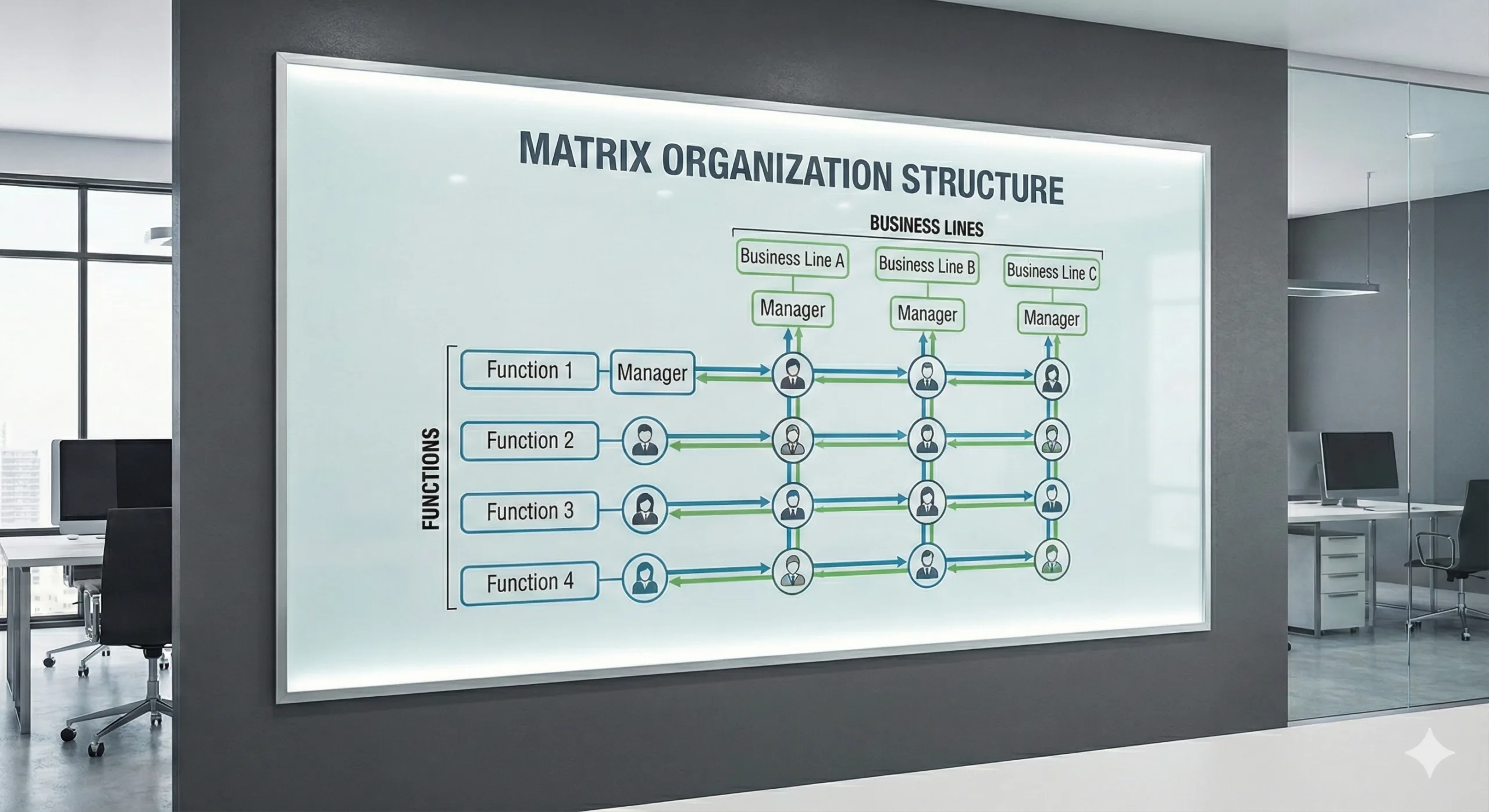
Matrix Management / Blog
Matrix Management: The Definitive Guide for Modern Organizations
Read full article
Agile & Digital / Matrix Management / Virtual Teams / Blog
Time to update your leadership model for the new reality?
Read full article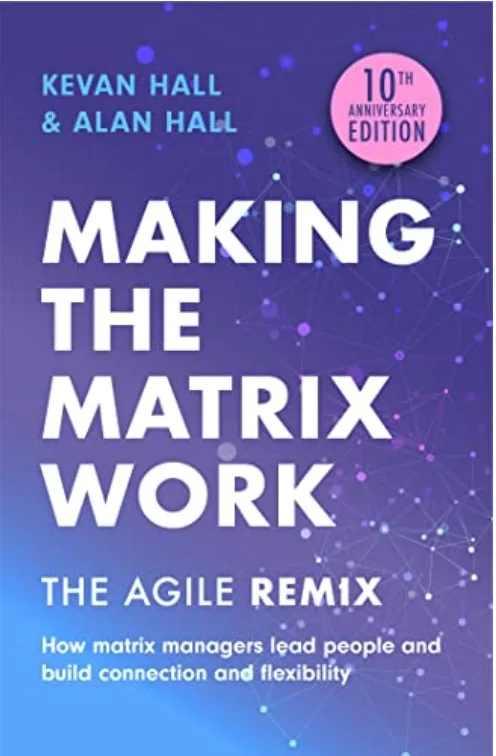


Agile & Digital / Matrix Management / Virtual Teams / Book
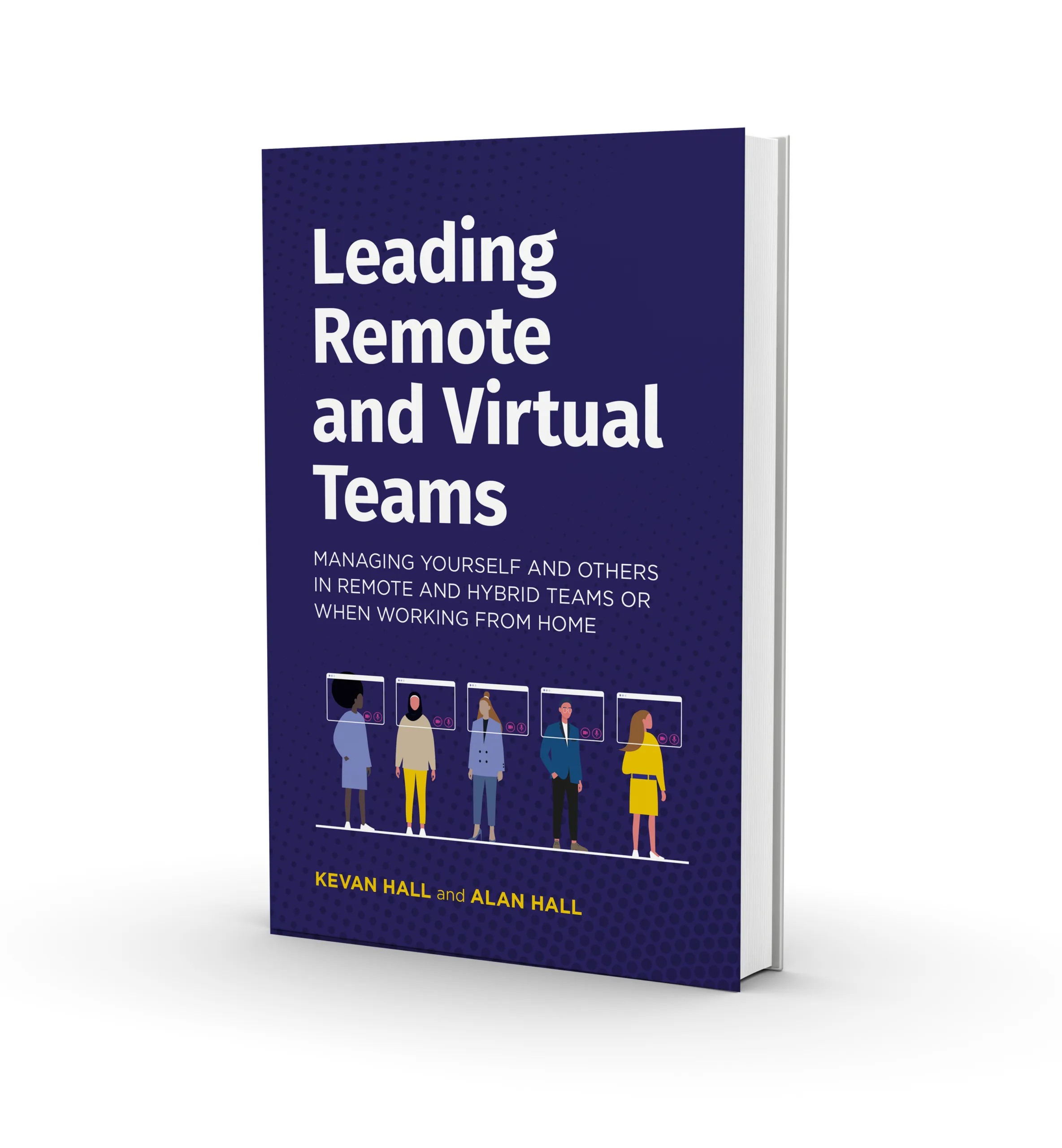
Leading remote and virtual teams book
Leading remote and virtual teams book Publication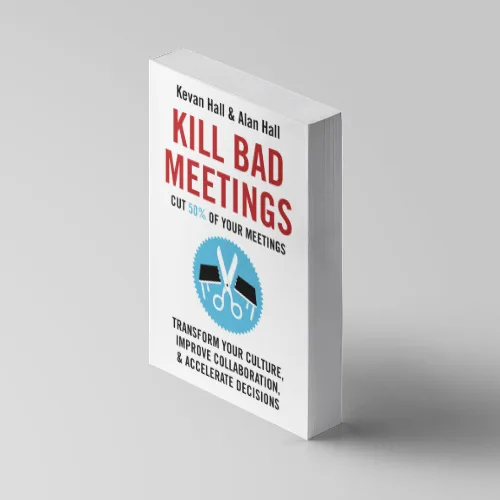
Agile & Digital / Matrix Management / Virtual Teams / Book
Kill Bad Meetings
A practical guide on how to cut 50% of your meetings to transform your culture, improve collaboration, and accelerate decisions
Kill Bad Meetings Publication 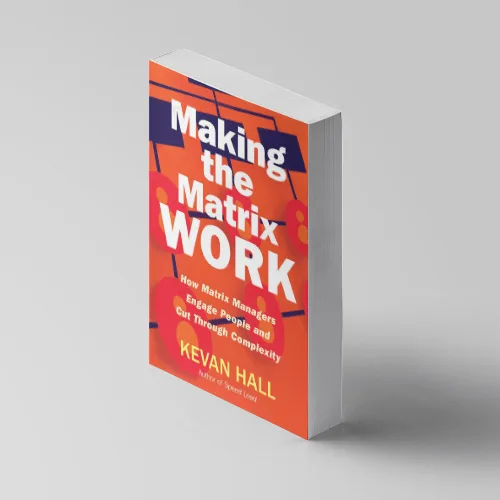
Matrix Management / Book
Making the Matrix Work
How matrix managers engage people and cut through complexity. The best selling guide to matrix management.
Making the Matrix Work Publication 
Agile & Digital / Matrix Management / Virtual Teams / Webinar
Leading the change to matrix and digital teams – free webinar
As teams become more complex we need to develop new ways of working. Our free webinar shows you how
Register for webinar